
When Your Garage Door Sounds Like It's Falling Apart
You hit the button, and instead of a smooth, quiet operation, your garage door groans, squeals, rattles, or bangs its way up the track. If this sounds familiar, you're not alone. Noisy garage doors are one of the most common complaints we hear from homeowners in Gahanna, and while the sound itself is irritating, it's often your door's way of telling you something needs attention.
The good news is that not every noise means a major repair. Some causes are simple to fix, while others require professional help. In this post, we'll walk through the most common reasons your garage door is making loud noises and help you figure out what to do next.
1. Worn or Dry Rollers
Rollers are the small wheels that guide your garage door along the tracks as it opens and closes. Over time, they wear down, and metal rollers in particular can become extremely loud as they grind against the track.
What it sounds like: A grinding, squealing, or rumbling noise that gets worse over time.
What to do: If your door has metal rollers, consider upgrading to nylon rollers. They're significantly quieter and don't require as much lubrication. If the rollers are visibly cracked, chipped, or wobbly, it's time to have them replaced. This is a quick fix that makes a dramatic difference in how your door sounds.
2. Loose Hardware
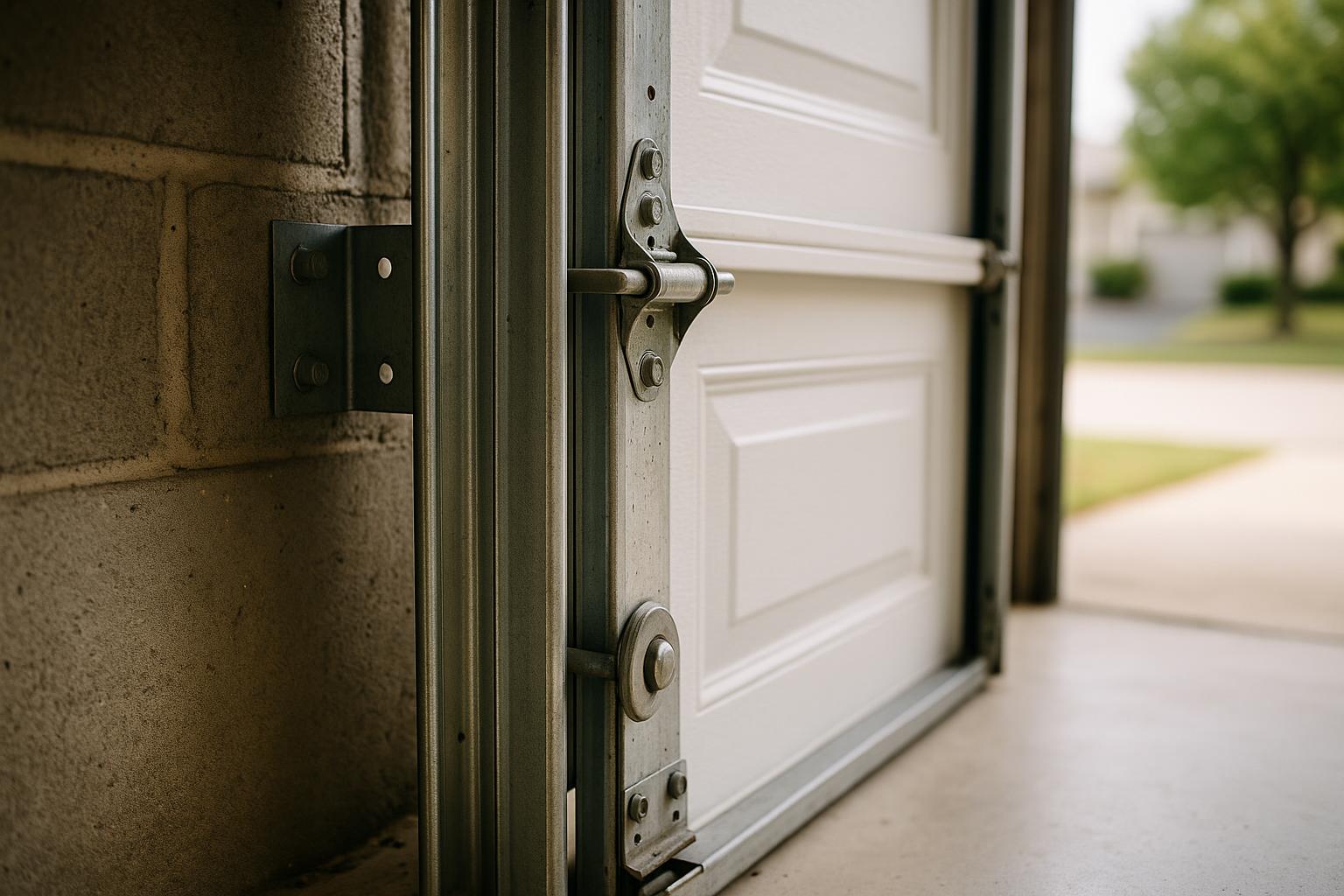
Your garage door moves up and down multiple times a day, and all that vibration gradually loosens nuts, bolts, and brackets throughout the system. Loose hardware is one of the easiest problems to overlook — and one of the most common sources of rattling and banging.
What it sounds like: Rattling, vibrating, or a general shaking noise during operation.
What to do: Grab a socket wrench and carefully tighten all the bolts on the door's hinges, brackets, and track mounts. Be careful not to overtighten, as this can strip the holes or warp the track. If you're unsure what's loose or if tightening doesn't solve the problem, a professional inspection can identify the source quickly.
3. Lack of Lubrication
A garage door has a lot of moving parts — springs, hinges, rollers, bearings, and the opener chain or screw drive. When these components run dry, they create friction that produces squeaking, squealing, and grinding sounds.
What it sounds like: High-pitched squeaking or squealing, especially when the door first starts moving.
What to do: Apply a garage door-specific lubricant (not WD-40, which is a degreaser, not a long-term lubricant) to the springs, hinges, rollers, and bearing plates. A silicone-based or lithium grease spray works best. We recommend Gahanna homeowners do this at least twice a year — once in the spring and once in the fall — as part of basic garage door maintenance.
4. Worn or Unbalanced Springs
The torsion or extension springs on your garage door bear an enormous amount of tension. As they age, they can start to make popping, creaking, or snapping sounds. An unbalanced spring system can also cause the door to operate unevenly, which creates additional strain and noise on other components.
What it sounds like: A loud popping or creaking noise, particularly when the door starts to move. You might also hear a single loud bang if a spring breaks.
What to do: Spring work is dangerous and should always be handled by a trained technician. If you suspect your springs are the source of the noise, don't try to adjust or replace them yourself. The tension stored in these springs can cause serious injury. Call a garage door professional to inspect and replace them safely.
5. Chain Drive Opener Noise
If your garage door opener uses a chain drive, some noise is expected — it's simply the nature of the mechanism. Chain drives are durable and affordable, but they're the loudest type of opener on the market. Over time, a loose or dry chain will get even louder.
What it sounds like: A consistent rattling or clanking sound during the entire opening and closing cycle.
What to do: First, check the chain tension. A sagging chain will slap against the rail and create extra noise. Tightening it according to the manufacturer's specifications can help. Lubricating the chain also reduces noise. However, if you're tired of the racket — especially if your garage is attached to your home and the noise carries into living spaces — it might be worth upgrading to a belt drive opener. Belt drives operate almost silently and are a popular upgrade for homeowners throughout Gahanna and the surrounding Columbus area.
6. Bent or Misaligned Tracks
The metal tracks on either side of your garage door need to be properly aligned for the door to travel smoothly. If a track gets bumped, bent, or shifts out of alignment, the door can scrape, grind, or bind as it moves.
What it sounds like: Scraping, grinding, or a rubbing sound, sometimes accompanied by the door hesitating or sticking at a certain point.
What to do: Visually inspect the tracks for obvious bends, dents, or gaps between the track and the rollers. Minor alignment issues can sometimes be corrected by loosening the track brackets and gently tapping the track back into position. For significant bends or damage, the track may need to be replaced entirely. If the door is binding or getting stuck, stop using it until it's been inspected — forcing a misaligned door can cause further damage to the panels, rollers, and opener.
7. Vibrating Garage Door Opener
Sometimes the noise isn't coming from the door itself but from the opener unit mounted to your ceiling. If the opener is vibrating excessively, the sound can resonate through the ceiling joists and into the rooms above your garage.
What it sounds like: A humming or vibrating noise that seems to come from the ceiling, often more noticeable inside the house than in the garage.
What to do: Check that the opener is securely mounted. You can also install vibration isolation pads between the mounting bracket and the ceiling to absorb some of the movement. If the motor itself sounds strained or unusually loud, it could be wearing out and may need to be serviced or replaced.
When to Call a Professional
Some garage door noises are easy DIY fixes — a little lubrication here, a tightened bolt there. But if the noise persists after basic maintenance, or if you notice the door moving unevenly, struggling to open, or showing visible damage to springs, cables, or tracks, it's time to bring in a professional.
At Gahanna Garage Door, we diagnose noisy doors every week for homeowners in Gahanna, New Albany, Westerville, Reynoldsburg, Blacklick, and the greater Columbus area. We'll tell you exactly what's causing the noise, whether it's a quick fix or something that needs repair, and give you an honest quote before any work begins.
Don't Ignore the Noise
A loud garage door is more than a nuisance. It's often an early warning that a component is wearing out. Catching it early means a simple, affordable repair. Ignoring it can lead to broken springs, a failed opener, or a door that goes off the tracks entirely — all of which are more expensive and more disruptive to fix.
If your garage door has been getting louder, give us a call or schedule a service appointment. We'll get it running quietly again so you can stop waking up the whole house every time you leave for work.